

Made of steel. Made of fire. Filled with madness and desire.
What happens next starts now. But how can we shape the future in a world gone crazy? Our tool is radical optimism. This doesn’t mean being naïve about what happens in the world, how politics shift, or how societies crumble. By cultivating radical optimism, we can shift our perspective, transform uncertainties into opportunities, and navigate change with resilience and creativity.





Hier, im Herzen Europas, finden wir alles was wir brauchen: Inspiration, Kreativität, Know-how, nachhaltige Materialien und faire Arbeitsbedingungen. Das ist uns wichtig.


Made by purpose, not chance.
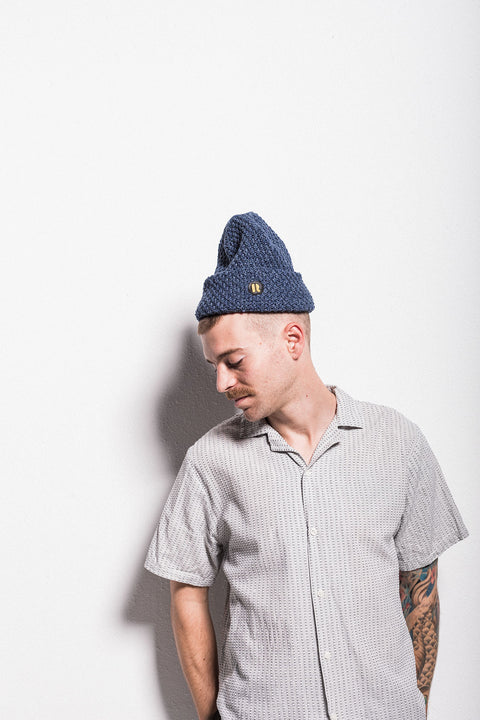
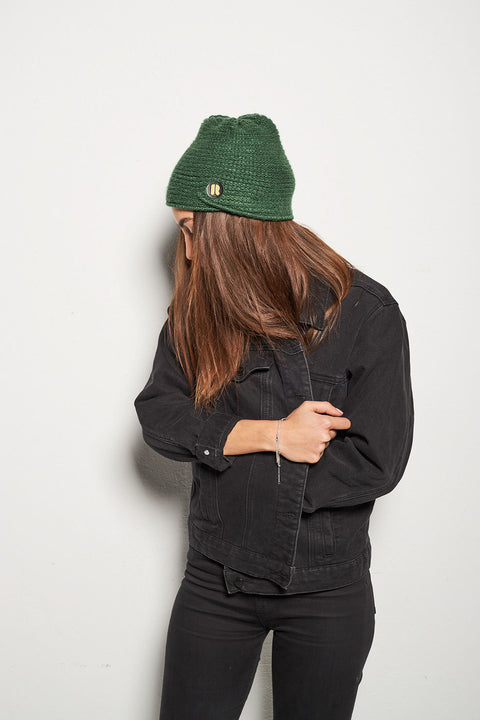





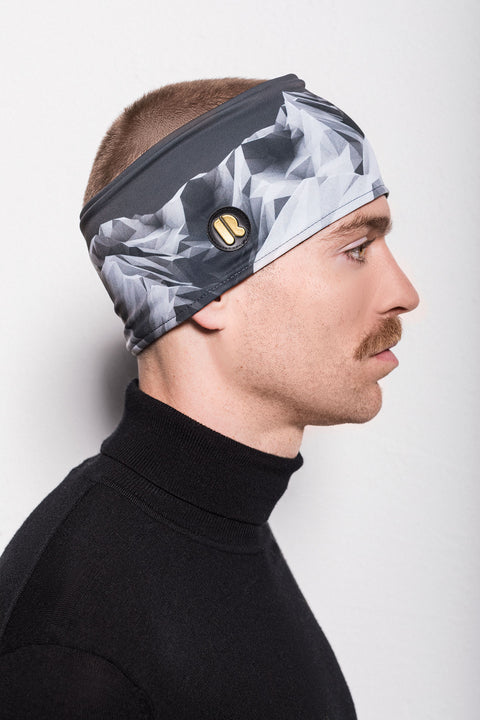
Riggler Headwear: Alpine Inspiration und Nachhaltigkeit
Inspiriert von der eigenwilligen Schönheit der Alpen steht Riggler für Überlegtheit, Nachhaltigkeit und Entschlossenheit. Diese Qualitäten sind sowohl in der Natur als auch in unseren Produkten zu finden. Mit Sitz im Herzen Europas streben wir danach, Design und Handwerk miteinander zu verbinden, um herausragende Produkte zu kreieren: funktional, stilvoll, verantwortungsbewusst.
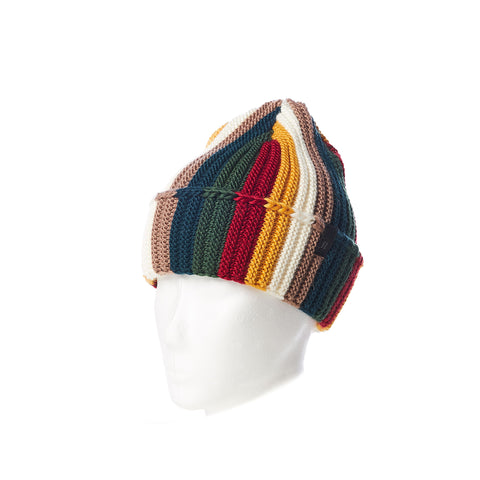
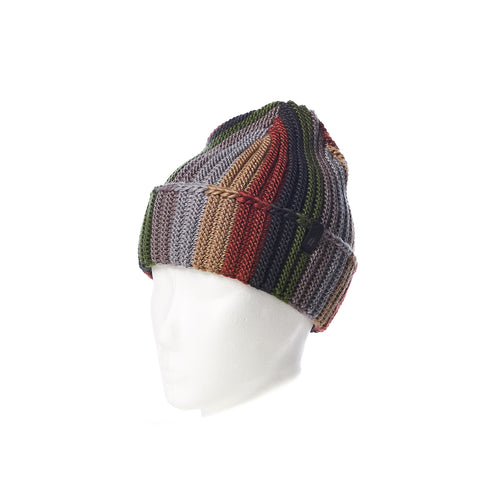
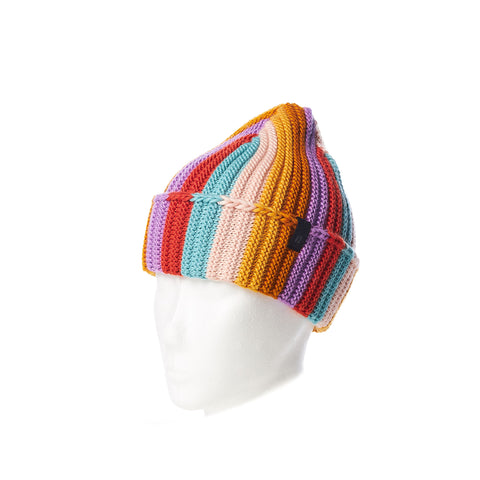
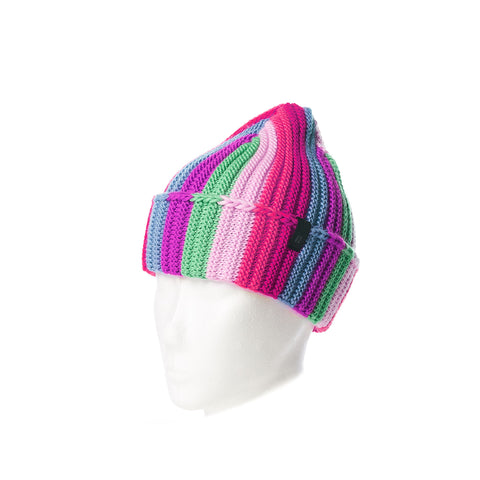
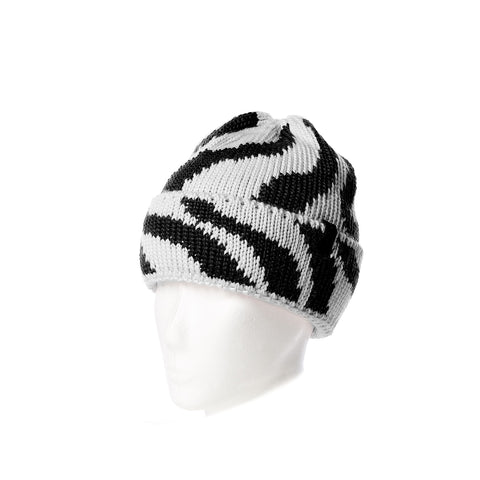
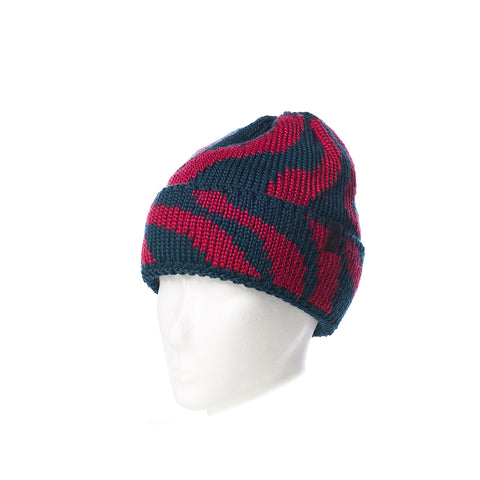
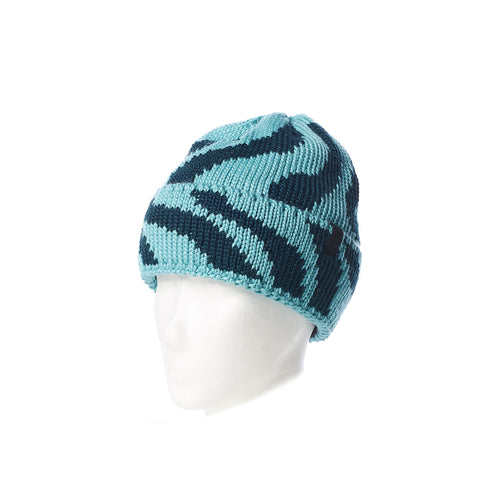
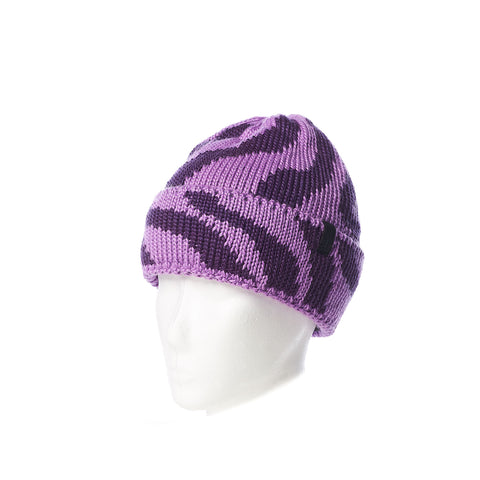
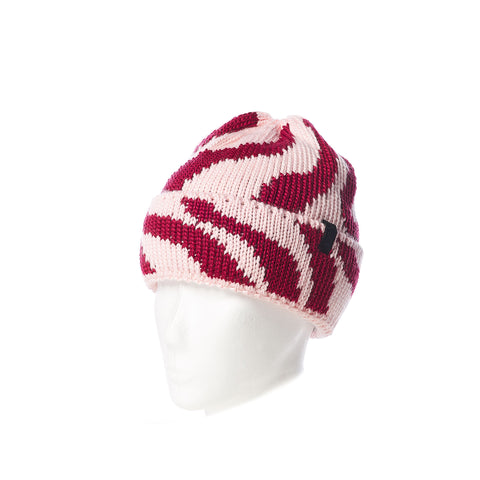
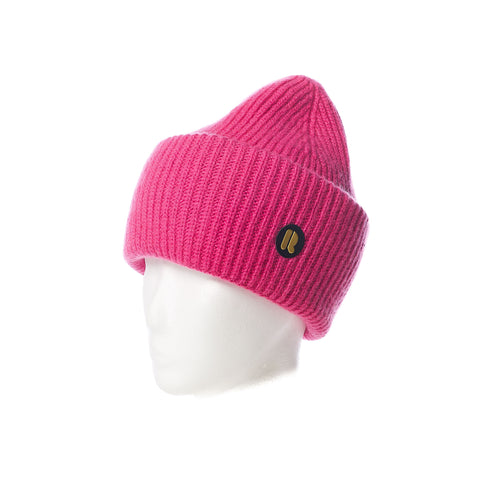
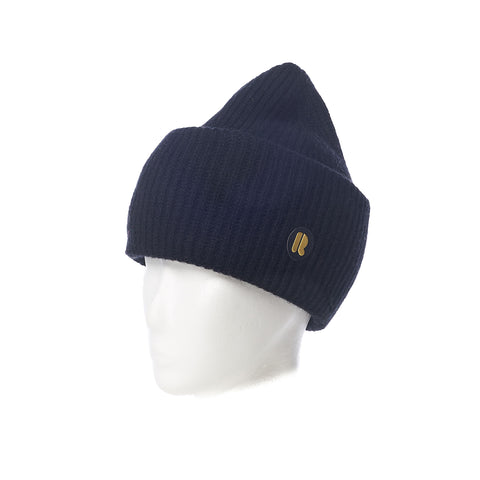
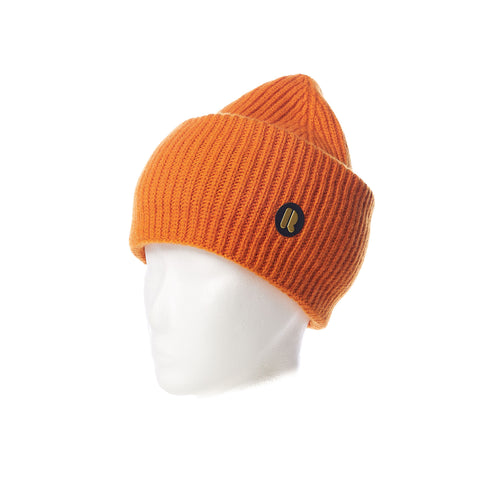
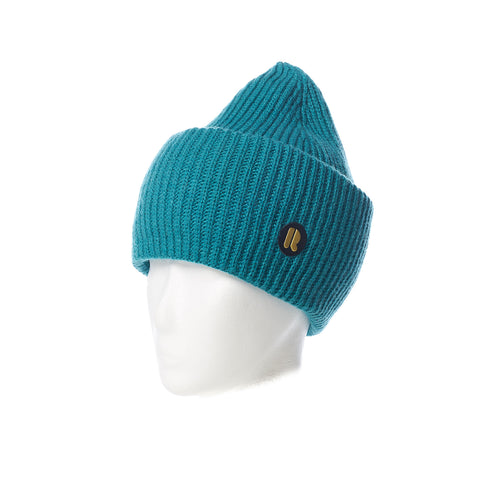
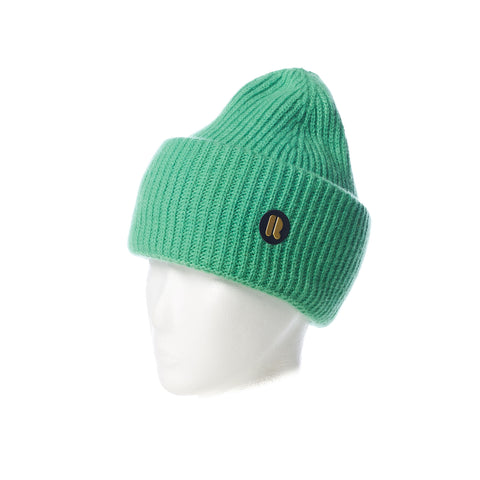
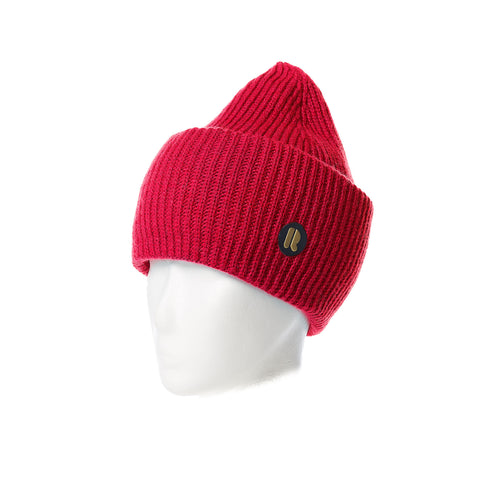
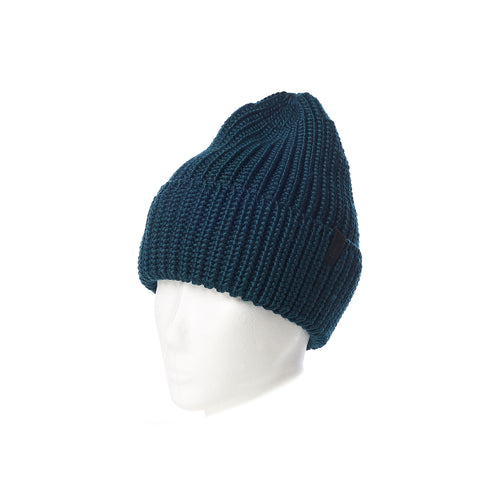
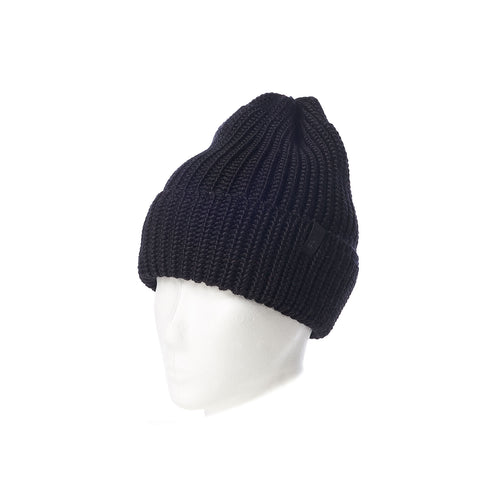
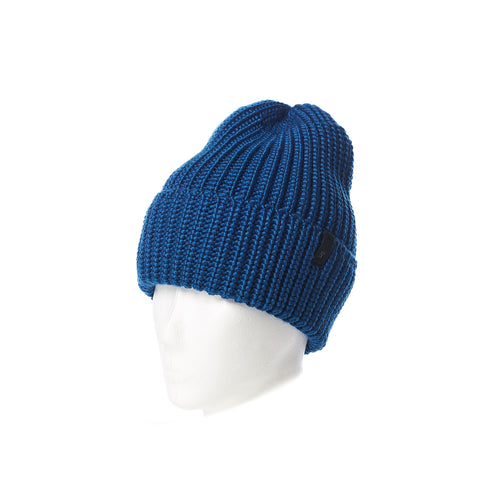
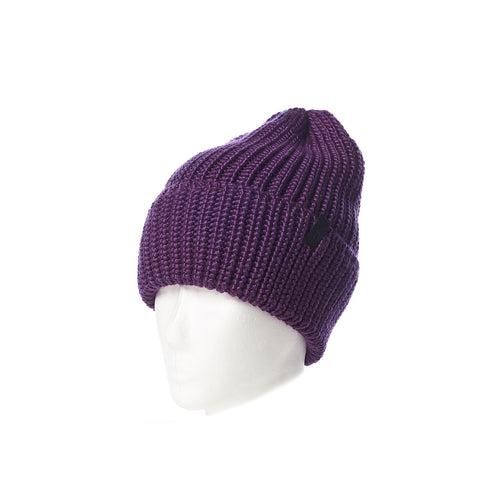
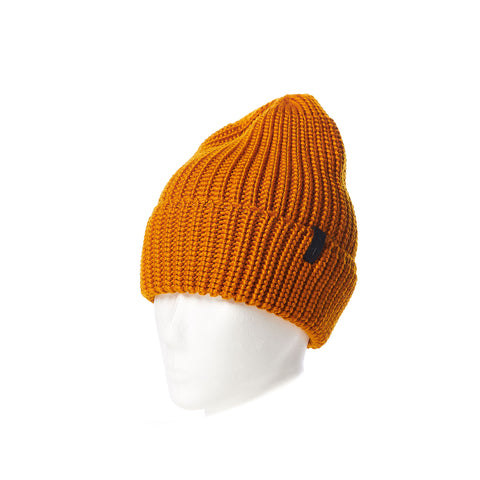
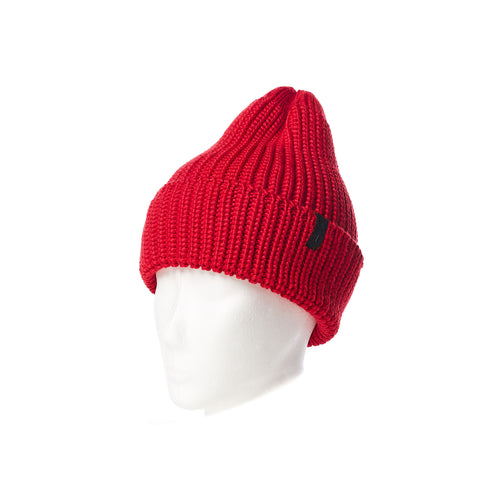
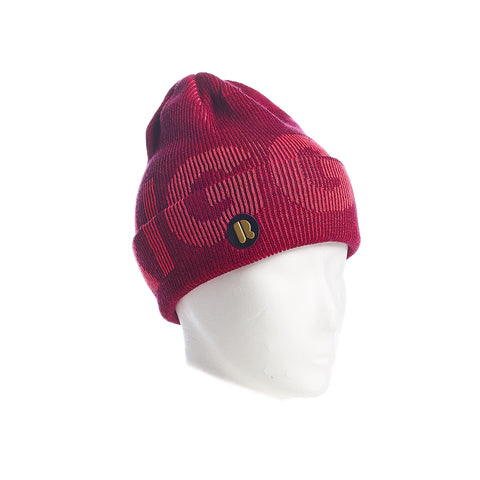
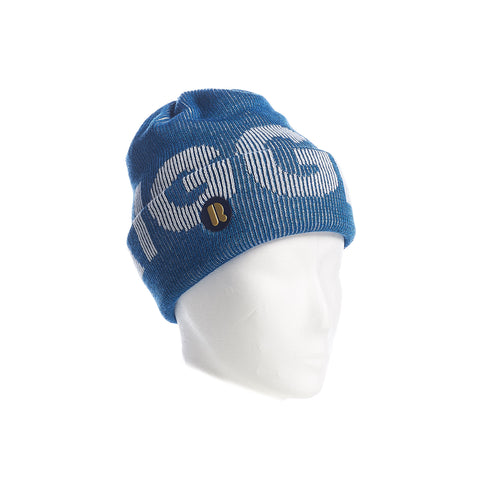
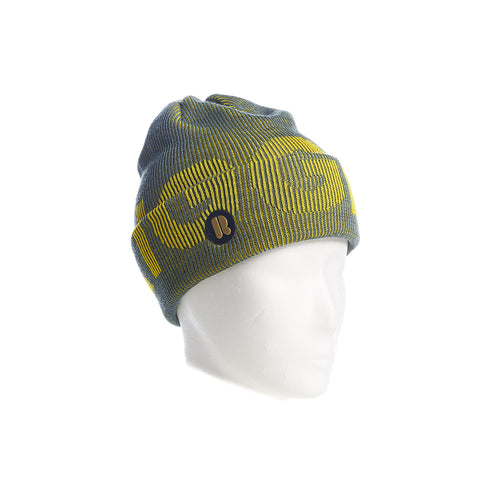
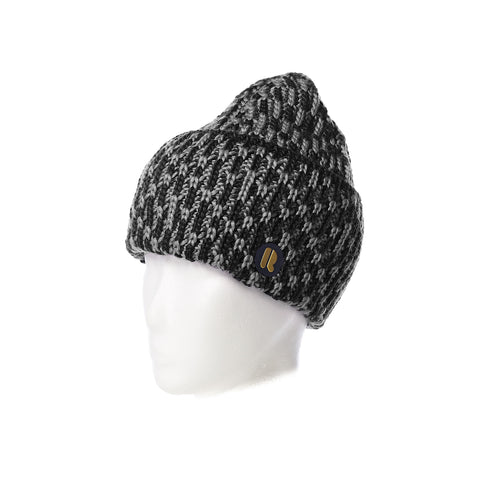
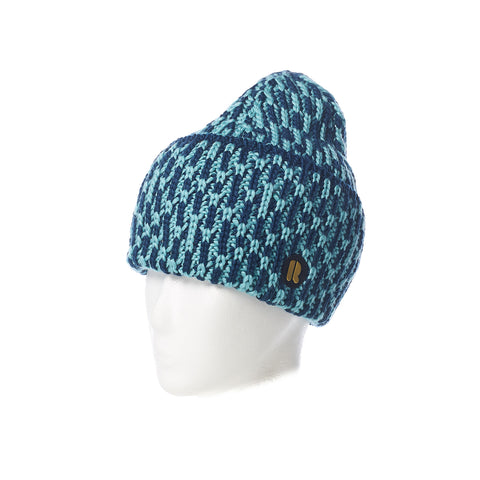
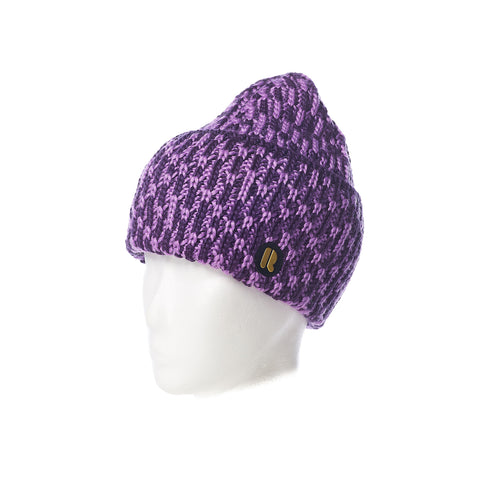
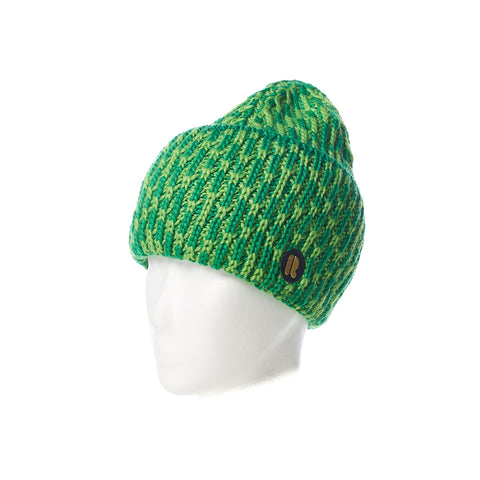
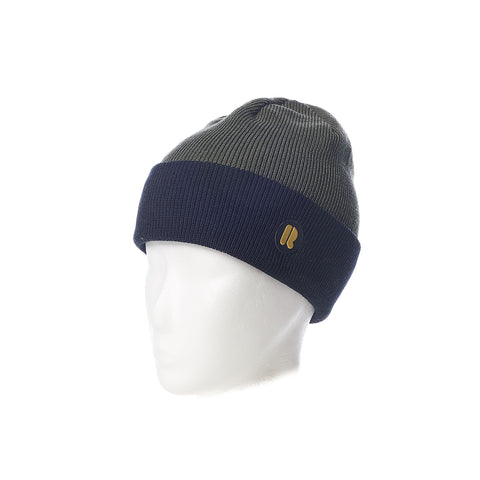
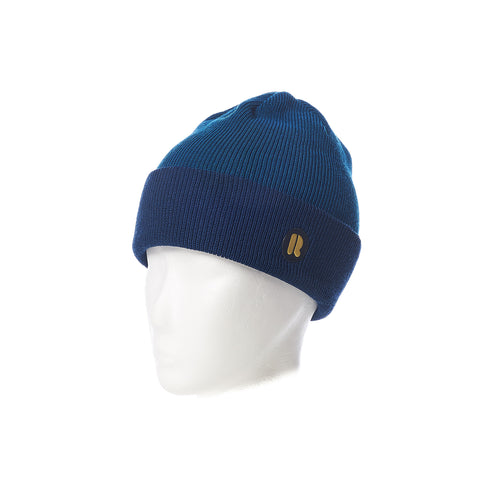
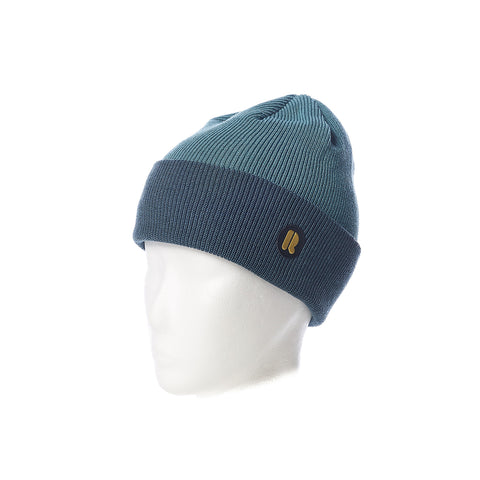
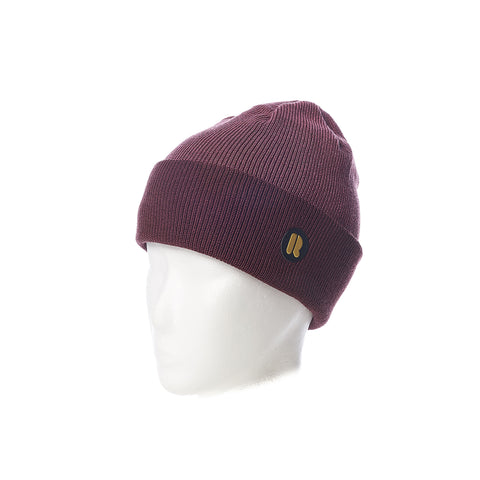
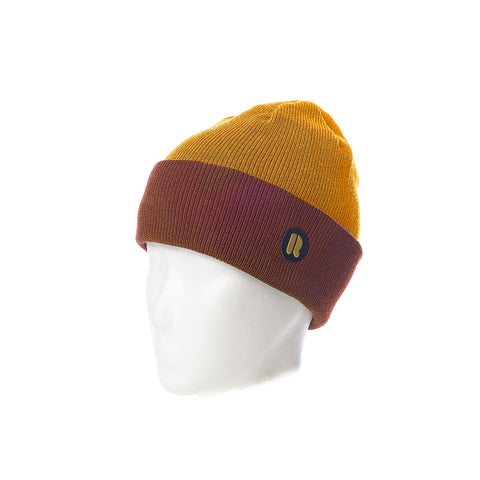
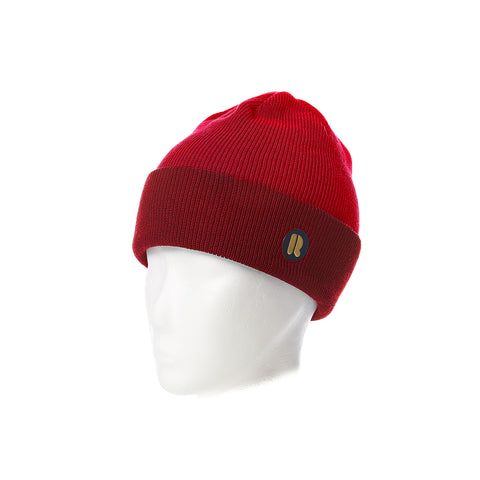
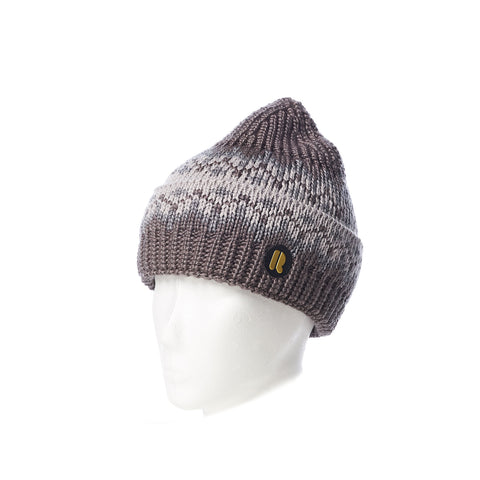
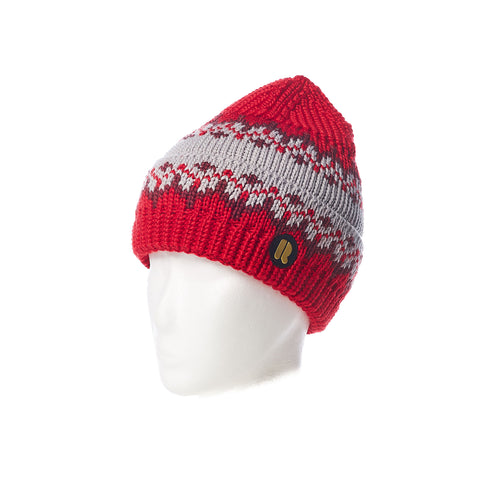
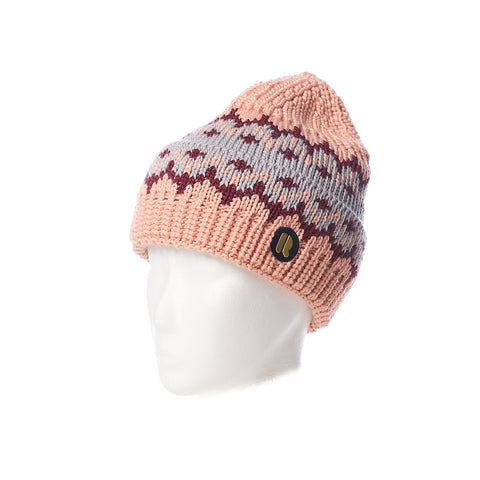
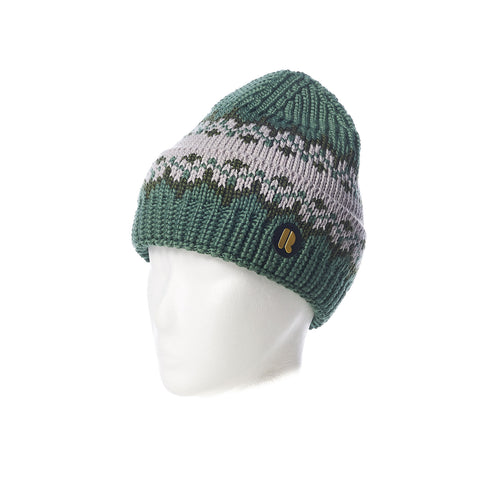
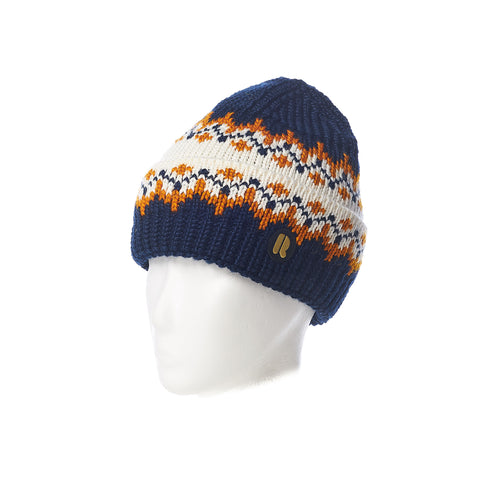
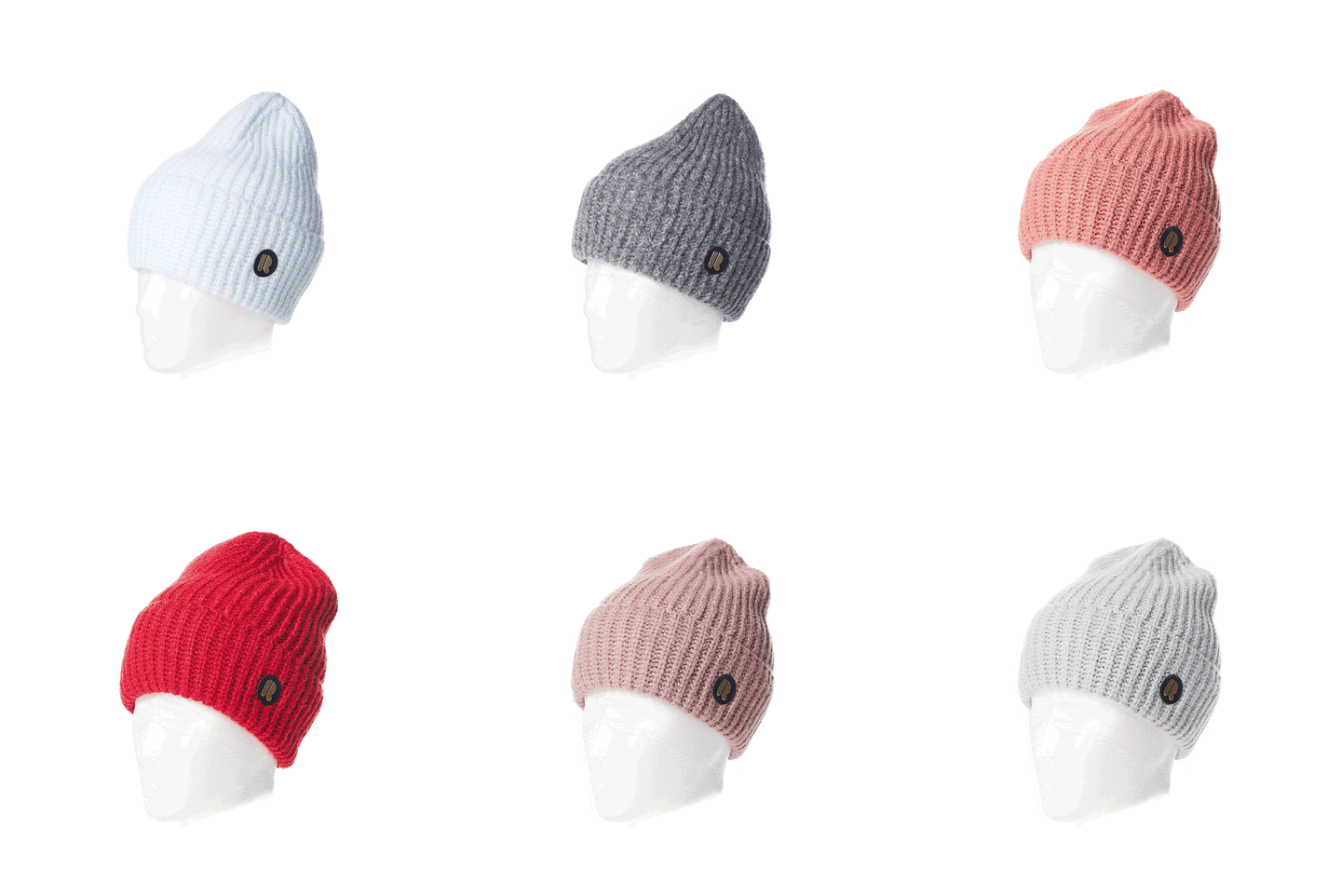
Unsere Mützenkollektion ist ein echtes Statement. Sie verkörpert den alpinen Lebensstil und mischt ihn mit urbanen Trends. Von klassischen bis skandinavischen Designs, von flauschigen bis sportlichen Modellen – wir bieten eine Mütze für jeden Geschmack und Anlass. Ob es nun die "Classic" Beanie für den alltäglichen Gebrauch oder die "Longstyle" Variante für einen lässigeren Look ist, jeder Artikel wird aus Oeko-Tex-zertifizierten Materialien in Deutschland hergestellt. Dies garantiert nicht nur Qualität, sondern auch Umweltverantwortung.
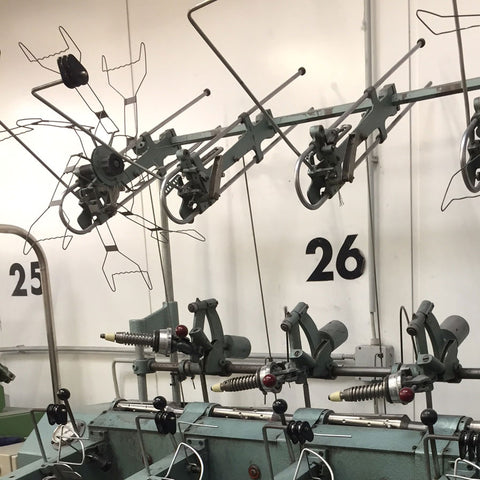
Unsere Produkte sind nicht nur aufgrund ihrer Designs einzigartig. Jede Riggler-Mütze ist das Ergebnis sorgfältiger Materialauswahl und fortschrittlicher Technologien. Unsere Textiltechniker, Designer und Modeexperten arbeiten eng zusammen, um sicherzustellen, dass jede Mütze die perfekten Eigenschaften hat: Die Beständigkeit von Wolle. Die Weichheit von Acryl. Die Atmungsaktivität von Polyester. Oder einen der vielen anderen Vorteile der von uns verwendeten Materialien wie Merinowolle, Viscose, Baumwolle, Alpaka oder Recycling-Garne aus PET. Das verleiht unseren Beanies und Mützen ein verführerisches Tragegefühl und einen einzigartigen Look. Und selbstverständlich verwenden wir nur mulesingfreie Wolle, denn unser Engagement für Nachhaltigkeit und ethische Verantwortung steht im Mittelpunkt unseres Handelns.
Bei Riggler geht es jedoch nicht nur um die Produkte. Es geht auch darum, was hinter ihnen steht. Wir glauben an "Grownupstuff", an erwachsene Verantwortung. Unsere Mützen sind nicht nur modische Accessoires, sondern auch Symbole für Nachhaltigkeit, Qualität und Ethik. Von der Auswahl der Rohstoffe bis zum fertigen Produkt achten wir darauf, dass unser Handeln umweltverträglich und sozial verantwortlich ist.
Made in the Alps bedeutet, dass unsere Mützen im Herzen Europas gefertigt werden. Das macht die Transportwege kurz und das ist gut. Weniger Kohlenstoffdioxid, weniger Feinstaub, weniger Lärm. Und schneller geht es auch noch.
Denn letztendlich wollen wir, dass Sie nicht nur unsere Mützen lieben, sondern auch die Werte, für die sie stehen. Denn Riggler Headwear ist mehr als nur eine Mütze oder ein Beanie. Es ist eine Leidenschaft und ein Zeichen für bewussten Konsum in einer sich schnell verändernden Welt.